
Your dog spends a significant portion of his or her time sleeping—an average of 12 to 14 hours per day. For older dogs or giant breeds, this number is often even higher. Given their dedication to sleep, a dog bed is more than just a plush accessory; it’s a crucial piece of equipment that directly impacts their joint health, emotional well-being, and long-term quality of life.
I remember a time when my dog was constantly fussy at night, and I initially thought he was anxious or just having a bad temper. Then one morning, I found him curled up on the edge of his large bed, his bottom sunken into the center of the mattress, directly on the cold floor. It was then that I realized the problem might be with the mattress, not his sleeping habits. This heartbreaking scene made me realize that we need to pay as much attention to the support system of our mattresses as we do to our own.
But just like your favorite old couch, even the highest-quality dog bed will eventually give way to gravity, drool, and nightly digging. If you’re unsure when to make a necessary upgrade, stop guessing. Here are three unmistakable signs that your dog’s current mattress is officially due for a replacement .
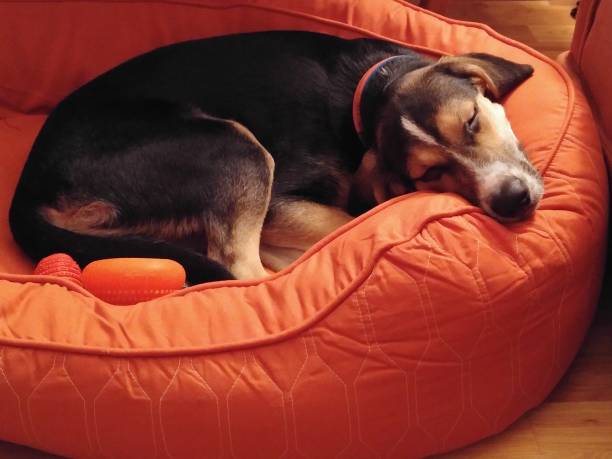
1. The support system has collapsed
This is the most critical sign, especially for older dogs or dogs with arthritis, hip dysplasia, etc. A good bed should evenly distribute their weight, provide elastic support, and protect their bodies.
your dog bed hit bottom?
How to know if you’ve hit bottom
Visual clues: Take a close look at the area where your dog lies most often. Is it noticeably flat and permanently concave? When your dog lies down, does their weight pass directly through the padding and contact the hard floor below?
The feel test: Press firmly on the flattest part of the mattress. If your hand can easily penetrate the filling and feel the cold, hard floor, the bed has lost its foundational support. It won’t provide any relief for your dog’s pressure points.
Behavioral signs: Your dog starts acting strangely. They might shift positions frequently, have trouble finding a comfortable position, or, most tellingly, abandon their bed altogether in favor of carpet or cool tile. They’re voting with their paws, telling you their mattress is no longer functional.
Potential health effects of loss of support
Support is not only about comfort, but also about inflammation management. When the mattress cannot support your dog’s weight:
Aggravated pressure points : Direct pressure on the elbows, shoulders, and hips can lead to increased pain and callus formation.
Reduced sleep quality: Lack of deep sleep can affect their immune system and emotional health.
Difficulty getting up: For dogs with joint problems, struggling to get up from a “hole” can further increase their stiffness and discomfort.
Solution: If the support is gone, consider it an investment in your health. Choose an orthopedic or medical-grade memory foam dog bed . These materials are non-compressible and specially designed to cushion joints, reducing pressure on the hips, elbows, and spine.
2. Unremovable odors and safety hazards
Even the most attentive pet owners can’t completely prevent sweat, oil, dander, and the occasional accident from accumulating on their mattresses. When a dog bed reaches a certain level of degradation, it becomes a potential hazard area.
Hygiene Inspection: Tears, Damage, and Mysterious Odors
Tears and Exposed Filling: Check for large tears in the fabric or holes that expose the filling. Besides being unsightly, this is also a choking or obstruction hazard. Your dog may swallow loose fibers, foam, or filling, leading to serious and costly internal problems.
Lingering odors: Does your mattress still have a persistent, unpleasant odor (from moisture, body oils, or old urine) even after washing the cover? Over time, moisture, bacteria, and oils can seep into the non-washable inner filling, creating a hygienic dead zone that no amount of freshener or washing can help.
Compacted filling: If the polyester fibers or filling inside have compacted into hard, uneven clumps after multiple washes, this is not only uncomfortable, but also a sign that the mattress can no longer be properly ventilated or cleaned from the inside, leading to potential mold growth.
Hidden hazards: mold and dust mites
Especially in humid climates, if the mattress filling isn’t allowed to dry thoroughly, it can become a breeding ground for mold and dust mites. This isn’t just harmful to your dog’s skin, it can also trigger respiratory allergies. If you notice your dog scratching or sneezing more in their bed than elsewhere, it could be a sign of an excessive dust mite population.
Solution: When buying a new bed, prioritize hygiene features. Look for models with a fully removable, machine-washable cover, preferably with a waterproof liner to protect the foam core from moisture and odor absorption. Also, choose high-density foam as filling, which is less likely to harbor mold and mildew than fiberfill.
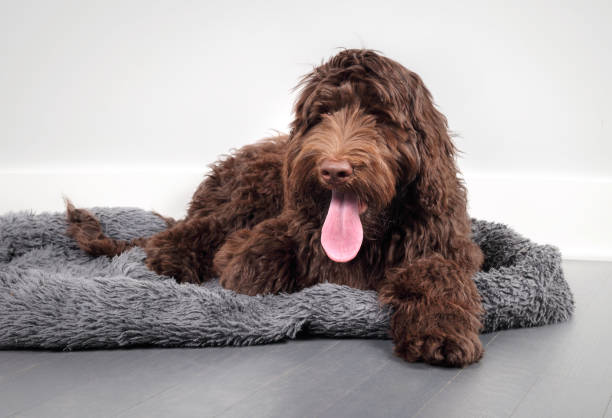
3. The dog is no longer the right size
Puppies grow quickly, but even adult dogs can outgrow their original bed if they get a mattress that’s a one-size-fits-all size, or if their sleeping habits change (like an older dog needing more room to stretch out due to stiffness).
Assess size: Are they huddled up or stretched out comfortably?
The Stretch Test: Observe your dog during a deep sleep. A comfortable, healthy dog should be able to stretch out completely—limbs straight and head relaxed. If they’re constantly forced into a tight curl, their bed is too small.
Overflow Principle: If your dog’s head, legs, or hips frequently hang over the edge of the mattress, it means the mattress isn’t providing support for all the major parts of their body. This can lead to a lack of support for their neck or joints, exacerbating existing pain.
Consequences of Ignoring Edge Support
Dogs don’t always sleep on their backs. Many dogs prefer pillows or raised edges, which provide them with a sense of security and mimic the feeling of resting in their den.
For Puppies: The rim provides security and snuggle warmth.
For older dogs: The edges act as perfect head and neck support, aid breathing, and give them a foothold when getting up. If the edges of an old bed have collapsed, they’ve lost this crucial comfort and functionality.
Solution: To get the right size, measure your dog from the tip of his nose to the base of his tail and add an extra 6 to 12 inches (15 to 30 cm). If your dog likes to curl up, choose a bed with a firm round or square pillow that won’t collapse over the months.
Summarize:
Let’s be honest: replacing your dog’s bed isn’t as fun as buying a new toy, but it’s a necessary expense. A bed that’s failing structurally, hygienically, or dimensionally is actively harming your dog’s health, costing them valuable sleep time, and potentially exacerbating joint discomfort.
If your old mattress shows any of these three signs, it’s time to retire it. Upgrading their sleeping surface is one of the simplest, yet most impactful, investments you can make for your dog’s comfort, mobility, and overall longevity. Remember, it’s better to invest in a supportive bed now than to spend money on veterinary treatment for joint pain in the future.
So, which of these three signs is the most likely culprit when you check your dog’s bed? Share your dog’s current sleep struggles below!