Don’t let the cold be a burden: How to protect your dog with a thick and warm dog bed

As dogs enter their senior years, their habits and physical needs change. The most obvious and concerning change is their increased sensitivity to cold. Your once energetic friend, rolling around in the snow, may now shiver at the slightest drop in temperature.
I first noticed this change in my dog when he was just 10 years old. He used to prefer sleeping on the cold floor, but now he curls up in a ball at the slightest drop in temperature, even actively asking to be tucked into a blanket. This made me realize that choosing the right thick, warm dog bed is no longer a simple purchasing decision, but an investment in his dog’s quality of life in his later years.
This article will delve into why thick insulation is a winter must-have for senior dogs and how to choose the shelter that provides the best warmth support.
1. Why is cold the number one invisible killer of elderly dogs’ health?
For older dogs, the effects of cold can go beyond discomfort and can directly aggravate or cause health problems.
From arthritis to immunity: the chain reaction of low temperature
Increased joint pain: Arthritis is a common problem for older dogs. Cold temperatures can cause blood vessels to constrict and muscles to tense, which can increase joint stiffness and pain. A warm, resting area can help muscles relax and relieve pain.
Weakened Immune System: Dogs’ immune systems are already weakened as they age. Continuous exposure to cold further depletes their energy, making them more susceptible to colds and other infections.
Decreased sleep quality: My friend has a senior dog with bone problems. He said that before they upgraded to a really thick, warm dog bed , his dog would wake up at least three times a night just to get into a less freezing position. High-quality sleep is crucial for a senior dog’s recovery, and warmth is essential.
2. The science of thickening and keeping warm: more than just stuffing more cotton
When we talk about a warm dog bed for senior dogs , we’re talking about a well-designed insulation system.
Double protection: isolate the cold and lock in body temperature
An ideal warm dog bed must have two core functions:
Insulates against ground chill: High-quality, thickened filling (such as high-density PP cotton or memory foam) not only provides softness but, more importantly, creates a thick, insulating layer at the bottom of the dog bed . The ground is one of the main sources of cold air in the home, and this insulating layer effectively blocks the upward conduction of cold air.
Locking in body heat: The surface material of a dog bed plays a key role. For example, choose soft fleece, flannel, or short-pile fabrics. These can capture and retain the dog’s own body heat, creating a warm microclimate. It’s like wearing a custom thermal underwear for your dog.
Buying Insight: When looking at a dog bed , don’t just look at the fluffiness in the photo; press down on the bottom to make sure it has enough density and thickness to withstand the cold floor. If it easily touches the ground, it won’t provide adequate insulation in winter.
3. How to choose a warm and supportive dog bed for your elderly dog ?
Warmth is important, but for older dogs with bone or joint problems, support and security are just as important as warmth.
Support: Relieves pressure points and eases difficulty in getting up
Older dogs have decreased muscle strength and may need extra help lying down and getting up.
Stable support is better than extreme softness: My dog needs a push when he gets up. An extremely soft dog bed would suck him in, making it difficult for him to break free. The dog bed we ultimately chose , while thicker, has enough resiliency in the padding to support his weight while providing a firm support surface and reducing joint stress.
Low Entry: Consider your dog’s mobility. Dog beds with low or flat entryways allow dogs with joint pain to get in and out easily, eliminating the need for jumping or struggling, and reducing the risk of accidental sprains.
Cleanliness and safety: the first conditions for maintaining health
The need for easy cleaning: Older dogs may be more prone to incontinence or vomiting. Therefore, choosing a mattress with a waterproof backing or a removable, machine-washable design is crucial for maintaining hygiene and preventing the buildup of bacteria and odors. You don’t want to be left feeling helpless on a cold night because your mattress is inaccessible.
Anti-slip bottom: Older dogs are prone to slipping when standing or moving. Make sure the dog bed has a reliable anti-slip design on the bottom to fix the dog bed to the ground and prevent the dog from falling when trying to get in or out.
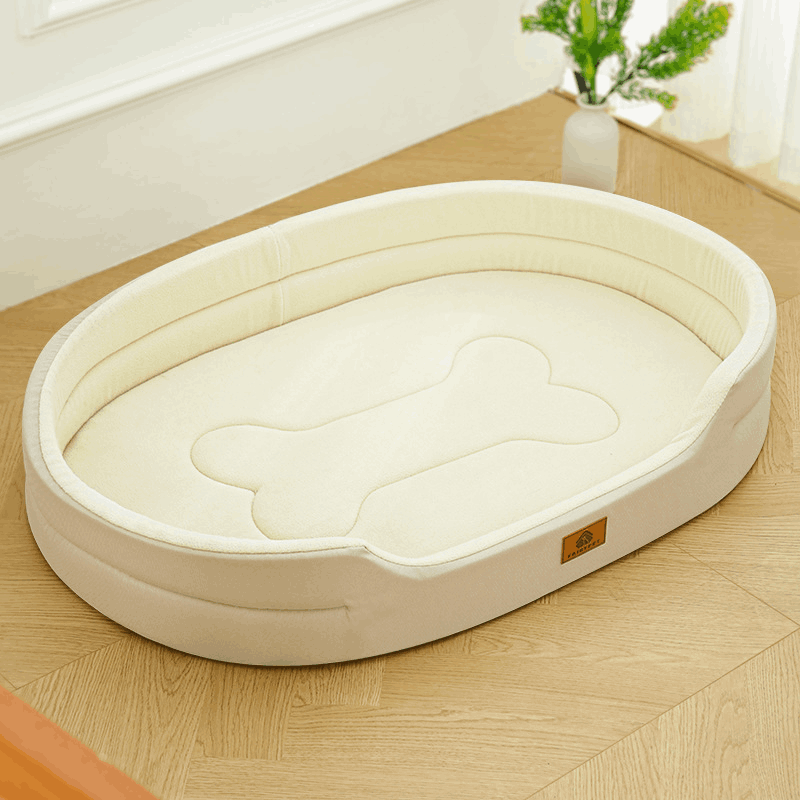
If you’re looking for the perfect winter companion for your small or medium-sized dog, I highly recommend this Thermal Dog Bed. It combines the warmth of a pet heating pad with a comfortable resting area. Made with premium thermal materials and a thickened construction, it provides stable and warm support in cold weather, effectively improving sleep quality for older dogs. It’s a winter essential for your furry friend.
Conclusion: A warm bed is an extension of love
The best care we can give our senior dogs is to ensure they spend their final years in comfort. A carefully selected thick, insulated dog bed , such as those designed specifically for warmth, not only provides physical warmth but also significantly improves their sleep quality and overall well-being by relieving pain and providing a sense of security.
It’s a simple investment, but it will make your old friend feel your unconditional love and care.
Question: What’s your favorite way to keep your golden-age dog warm? Do you opt for a thicker dog bed or a heated pet pad? Share your experiences in the comments section to help other pet owners better care for their older friends.