
For many of us, dogs are more than just pets; they’re family members, furry friends who bring us unconditional love and joy. But do we really know how to help them live the happiest, most fulfilling lives?
If you’re committed to becoming a better pet parent and want to know how to make your four-legged friend wake up with a wagging tail every day, then you’ve come to the right place. This article will reveal five core tips that will not only deepen your bond with your dog but also scientifically improve their happiness and emotional stability.
Redefining companionship: The magic of high-quality focused time
You may spend most of the day at home, but are you really spending time with your dog? Simply sharing the same physical space isn’t enough. Your dog needs focused, uninterrupted time with you .
The Ten Minutes of Daily Focus Rule: Taking just five to ten minutes a day to completely put down your phone, turn off the TV, and focus solely on your dog can have a huge positive impact.
Explore the world together: Taking them for a walk does not mean you have to rush, but rather lets them smell everything to their heart’s content and satisfy their desire to explore.
Body care ritual: Gently combing or massaging its fur not only helps you check its health but also provides an intimate “healing time”.
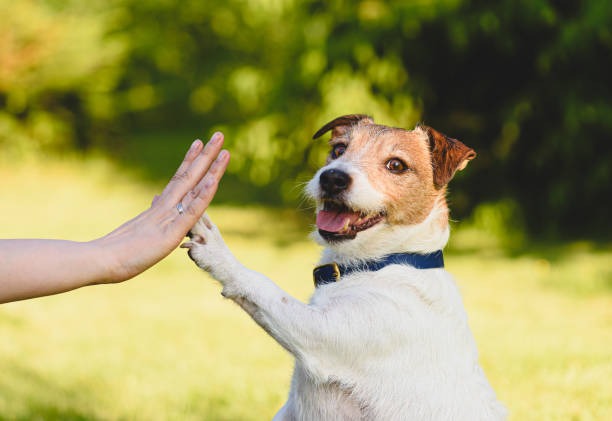
Interactive playtime: Playing tag, tug-of-war, or simple obedience training can all strengthen trust and connection between you.
Sniffing Games: The Best Stress Reliever
For dogs, smell is their primary way of understanding the world. Smell games (such as hide-and-seek games and sniff pads) are excellent indoor activities that can help dogs:
Stress Relief: Smelling activates areas of the brain associated with calmness.
Energy consumption: 10 minutes of focused sniffing consumes as much energy as a long run.
Accumulate happiness: The “small sense of accomplishment” brought by finding food or snacks can significantly improve their happiness index.
Regular life and psychological stimulation: the importance of dual balance
A happy dog is a dog whose needs are met. This isn’t just about being well fed and watered, but also about a balance of physical exertion and mental challenge.
Exercise is a necessity, not a luxury. Just as we humans need regular fitness, daily walks are essential for dogs.
Burn energy: Especially for high-energy dog breeds (such as Labradors and Border Collies), sufficient exercise can prevent them from developing problem behaviors such as destroying furniture due to boredom.
Emotional stability: Regular outdoor activity helps maintain a dog’s emotional stability and mental health.
Providing “Work and Play Toys” Just a stuffed animal isn’t enough. You need to provide toys that satisfy their natural instincts:
Chew toys: Satisfy your dog’s natural chewing needs, especially during teething or when stressed. Choosing chew-resistant, safe materials is key.
Puzzle toys: Encourage your dog to think about how to retrieve their food or treats, which is a great mental stimulation and opportunity for them to “work” and make them feel useful.
Create a safe dog bed : a safe haven for dogs
Let’s learn about dog bed, which is also one of the tips to make your dog happy!
You might think your dog just finds a place to sleep, but that’s not true. A safe, comfortable dog bed , crate, or pen is the cornerstone of your dog’s emotional well-being.
The Importance of a Dedicated Space A dog bed is to dogs what a bedroom or private study is to us humans—a place where they can completely relax, feel safe, and in control.
Choose the right size: The nest shouldn’t be too large. Dogs naturally like to curl up in a compact space, which can better simulate the feeling of a wild nest and provide maximum security.
Locate a quiet corner: Place the dog bed in a quiet, less-trafficked corner of your home, away from doors, phone rings, and frequent footsteps. This ensures they won’t be disturbed while resting.
Tips for bonding: Want to make your dog love its bed? Here are some tips:
Scent connection: Place an old T-shirt you’ve worn or a favorite toy with its own scent in the nest.
Smell can bring great comfort and intimacy.
Listen to the Silent Language: Become a Better Communicator
Dogs can’t talk, but they communicate with you using every part of their bodies. Learning to recognize their signals is key to building trust and enhancing your happiness.
Recognizing Calming Signals When dogs are nervous or uncomfortable, they will send out subtle signals to try to soothe themselves or others:
Licking the tongue and turning the head: This usually means that the dog is feeling stressed or uncomfortable.
Yawning (not due to sleepiness): It may also be a sign of coping with nervousness.
When you observe these signals, pause the interaction you are having, avoid adding to the stimulation, and give it space.
Trust building: The power of positive training . Positive reward training is more effective in helping dogs learn than punishment. Giving rewards and praise when they do the right thing allows them to understand what behavior is desirable, thereby building strong trust and self-confidence.
In conclusion:
The secret to keeping your dog happy isn’t complicated; it comes down to respecting their canine instincts and responding to their selfless devotion with high-quality affection. From daily dedicated companionship to ensuring they have a safe and comfortable haven, every little detail sends a clear message to your dog: “I love you, and I understand you.”
Your short ten-plus years are a long lifetime for your pet. If you can meet its physical and mental needs and truly understand its silent language, you will have a stable, loving, and happy furry child.
What kind of interactions do you think your dog enjoys most? Share your experiences in the comments below!