safe and secure dog bed for your dog with low-key lighting—three steps to reveal the secrets of dog bed lighting.

The dog bed you carefully selected might not provide your dog with the comfort it deserves at night? We often focus on the materials, size, and appearance of the design but overlook a crucial factor: lighting.
For us humans, nightlights are a symbol of warmth and convenience. But for a dog with exceptional night vision who considers its dog bed a private “cave,” incorrect dog bed lighting—such as a glaring overhead light or a constantly flashing light source—can actually become a source of anxiety and sleep disturbances.
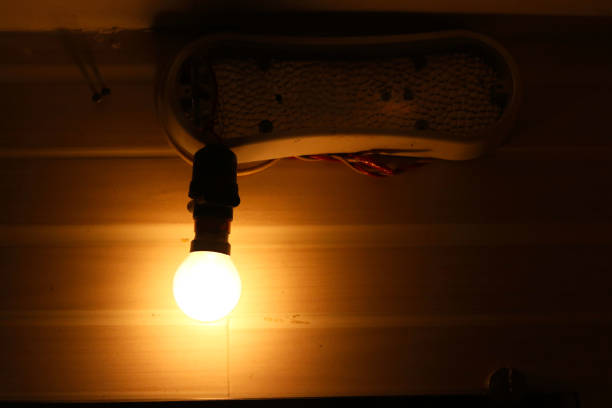
Why High-Intensity Light is a Design Mistake
Your nightlight might be your dog’s spotlight. To understand the principles of dog bed lighting, you first need to understand how your dog perceives darkness.
This is fundamentally different from the visual structure of humans: Rod cell advantage: Dogs have far more rod cells in their retinas than humans, which allows them to see clearly even in extremely low light.
Sensitivity to bright light: The price of this night vision gift is that dogs are more sensitive to high-intensity light. Human overhead lights and direct spotlights may be too bright and oppressive for them.
Disruption of their sense of security: Dogs naturally prefer their dog beds to be designed as a private, cave-like space. If this cave is constantly illuminated by bright light, their sense of security will be disrupted, making it difficult for them to enter a deep restful state.
Successful dog bed lighting doesn’t aim for visibility but rather for a sense of security. The core concept is low-intensity lighting—mimicking moonlight or faint natural diffused light.
Warm-toned lighting and smart technology
Instead of exposing your dog to cold, hard room lights, create a calming, dimly lit environment for it.
Warm-toned lighting: The healing power of color temperature. Have you ever found that sitting by a fireplace or candlelight makes you feel relaxed? Dogs feel the same way.
Recommended color temperature: Keep the color temperature of your dog bed lighting within the warm range of 2700K to 3000K. This color tone is interpreted by the brain as safe and warm. Avoid using cool white or blue light, as scientific research shows that cool light suppresses the secretion of melatonin, a key hormone for regulating sleep. A warm-toned dog bed environment helps dogs maintain their natural circadian rhythm.
Smart sensor lights: Unobstructed nighttime companions. Nobody likes being woken up in the middle of the night by a sudden, glaring light. The addition of smart sensor lights perfectly resolves the conflict between convenience and undisturbed operation.
How it works: The smart sensor light only lights up briefly when the dog makes a slight movement or when there is a change in temperature.
Application scenario: When a dog needs to leave its bed at night to drink water or relieve itself, a low-brightness, warm-toned smart sensor light will instantly turn on, providing low-light guidance for its walking path. Once the dog returns to its bed, the light will automatically turn off to ensure uninterrupted sleep.

Dog Bed Lighting Installation
dog bed design like a nursery.
Prevent exposed electrical wires: chewing is the biggest killer.
Biggest taboo: Never leave any electrical cords or plugs within a dog’s reach, especially for puppies with a chewing habit or adult dogs with separation anxiety. Electrical cords are deadly hazards.
Solution: Prioritize battery-powered LED lighting fixtures. If power cords must be used, ensure they are completely encased in bite-proof conduit and concealed within the design’s structure (such as the back panel of built-in furniture).
Avoid sensory stimulation: flashing lights and noise
Beware of flickering lights: Avoid using any light fixtures with flickering patterns (such as colored lights or decorative lights), as these stimuli can be distracting.
A dog’s rest may trigger anxiety or excessive playfulness and curiosity.
Check for noise: Some lower-quality smart sensor lights may make a faint “click” sound when the relay is activated. While humans may not notice it, a dog’s sensitive hearing may be disturbed by this slight noise.
For successful dog bed lighting: visible, but not felt. The ultimate goal is to let the light blend softly into the dog bed’s environment. You can install light strips on the bottom edge or inside the roof of the dog bed, directing the light downwards or inwards to avoid shining directly into your dog’s eyes. You’ve succeeded when your dog feels comfortable and calm and considers this space its absolutely safe and private territory.
Summary and Actions:
Designing dog bed lighting is the final step in demonstrating your concern for your dog’s well-being. It’s not about buying a decoration; it’s about investing in the quality of its sleep and its peace of mind.
So, what kind of lighting is currently used in your dog’s safe room? Are you ready to upgrade? Share your dog bed design experience in the comments below.