A dog bed to accompany your dog as it grows: a comfort guide from puppyhood to senior age.

Every dog owner hopes their dog can grow up healthy and happy. A comfortable and suitable dog bed is not only a place for the dog to rest but also an important companion as it grows up. From puppyhood to adulthood and then to senior life, the role of a dog bed varies at different stages.
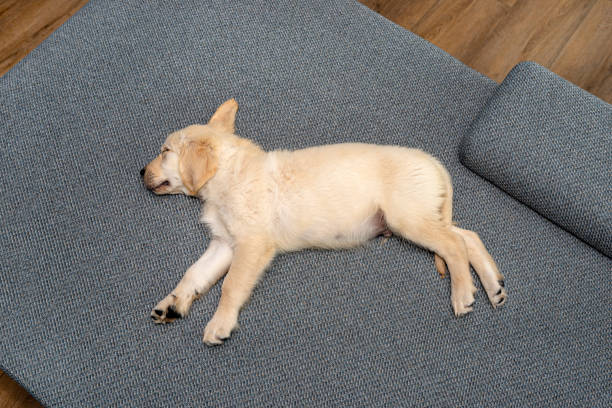
a dog bed is crucial for a dog’s growth
Just like humans, dogs’ growth process is heavily influenced by sleep quality, which directly impacts their physical development and mental well-being. A suitable dog bed can offer several benefits:
1. Supports physical development
Puppies and senior dogs have relatively fragile bones and joints. A well-supported dog bed can relieve pressure on bones and joints, helping dogs develop more healthily. When my dog was a puppy, his spine maintained its natural curve whenever he napped on the dog bed, reducing growing pains. Even as an adult, he still loves to curl up and rest on the bed, and the support it provides allows him to fully recover his energy after active play.
2. Provides a sense of security
Dogs are naturally territorial. A fixed dog bed helps them feel safe, especially puppies when they first arrive at a new home. When my dog first moved into our new home, he was initially a little anxious, but he quickly became attached to his bed and would always go back to it to rest in unfamiliar surroundings. The familiar bed allowed him to sleep peacefully, and this sense of security has stayed with him throughout his life.
3. Helps develop the behavior
Training your dog to sleep in its own bed can make family life more structured. I once tried letting my dog climb on the sofa freely, but it quickly developed the habit of resting in its own bed. This not only protects the furniture but also makes its sleep schedule more stable. Young dogs are very active every day, but no matter how energetic they are, they always return to their bed to rest at a fixed time. Cultivating this habit makes family life easier.
4. Relieve stress and anxiety
Dogs are prone to anxiety in unfamiliar environments or during their growth stages. A comfortable dog bed can be their safe haven. My dog moved to different environments several times when he was a puppy, and each time he would find his own bed to curl up in. This made me realize that a dog bed is not only for physical support but also for emotional comfort.
Choosing and using dog beds at different stages of a dog’s growth
1. Puppy period (0-6 months)
Puppies need plenty of sleep to support their physical development. A suitable dog bed should have:
Suitable size: The bed should not be too large so that the dog feels safe and can curl up or stretch out. When I was choosing a bed for my dog, I specifically measured its length from nose to tail and added appropriate space so that it would get used to its own special area from a young age.
Soft material: Puppies have fragile bones, and a soft mattress can cushion the pressure. Puppies love to roll around on the bed when they are young, and a soft mattress can make them feel safe and secure.
Easy-to-clean design: Puppies are prone to accidents, so I chose a removable and washable bedding cover for easy cleaning and to keep the bedding clean and comfortable.
2. Adolescence (6 months – 2 years)
Young dogs are active and energetic, requiring a durable and supportive bed. When choosing a dog bed, the following should be noted:
Strong support: Jumping and playing can easily impact joints. Dogs are particularly active at this stage, so choosing a dog bed with appropriate thickness will protect their joints when they roll around or rest on it.
Durable material: Young dogs like to scratch or chew on the bed, so durability is very important.
Appropriate thickness: It can provide cushioning without affecting bone development.
3. Adulthood (2-7 years old)
While an adult dog’s bones and muscles tend to stabilize, a comfortable resting environment is still essential. My dog goes back to his own bed every night after becoming an adult, and no matter how active he is during the day, he always finds relaxation there. When choosing a dog bed for an adult dog, it’s important to maintain the original size, have an easy-to-clean cover, and provide stable support. This will extend the bed’s lifespan and protect the dog’s spine.
4. Old age (7 years and older)
Senior dogs experience joint degeneration and decreased mobility, making them even more in need of a comfortable bed.
Memory foam or a thicker mattress: provides maximum support and reduces joint pain. After my dog entered his senior years, I switched to a memory foam dog bed, and he sleeps more soundly at night and wakes up more energetic in the morning.
Low-profile design: makes it easy for older dogs to get on and off the bed, avoiding strain on their joints.
Warm and soft: Older dogs are afraid of the cold, and a comfortable bed can make them feel safe.
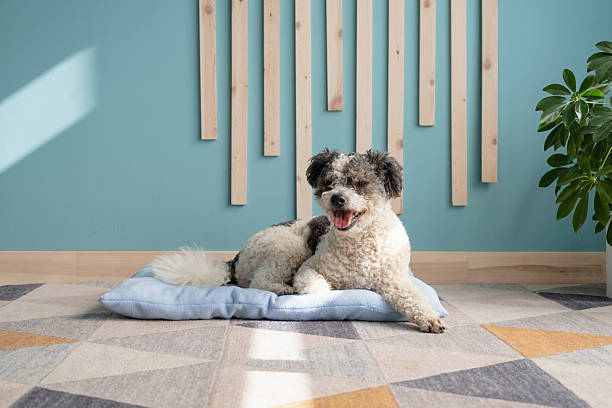
How to choose the right dog bed for your dog
Measure
your dog’s length from nose to tail, then add 20-30 centimeters to ensure the dog can stretch out comfortably without feeling cramped. I’ve used this method to choose a bed for my dog since he was a puppy, ensuring he has a comfortable resting space from a young age.
materials for dog sleep
include cotton, fleece, memory foam, and durable fabric. I chose soft, durable, and easy-to-clean materials so my dog can sleep comfortably at every stage of his/her growth.
beds
are suitable for senior or small dogs, while beds with side rails are suitable for puppies or dogs that like to lean against something. My dog liked to curl up against the edge of the bed when he was a puppy, and he liked to roll around on a thick mattress when he was a teenager. The type of bed is important for his habits at different stages.
The removable and washable mattress cover makes cleaning easy, and the mattress itself can be vacuumed to remove dust and hair.
This design saves me a lot of effort when my dog sheds during seasonal changes.
placing the bed in direct sunlight or a drafty area. Position it
in a quiet area where family members are frequently active, so your dog feels accompanied and safe. My dog especially likes to put his bed in the corner of the living room, where he can see his family but also enjoy some peace and quiet.
Frequently Asked Questions
Q1: Do I have to buy an expensive
dog bed? A: Not necessarily. The key is that it’s the right size, the material is comfortable, and it’s easy to clean. A high-quality, cost-effective dog bed can also accompany your dog as it grows up healthily.
Q2: Will a puppy refuse to use a new bed?
A: Dogs are sensitive to changes in their environment. You can put familiar toys or blankets on the bed to help it gradually adapt.
Q3: How often should I change my dog bed?
A: It depends on the dog’s size, the wear and tear on the bed, and its cleanliness. Puppies grow quickly and may need a larger bed.
Q4: What’s the easiest way to clean
a dog bed? A: Choose a removable and washable cover, wash it with warm water and pet-safe detergent, and use a vacuum cleaner to remove dust and hair from the mattress itself.
Q5: Where is the best place to put
a dog bed? A: Avoid direct sunlight, drafts, and damp areas. Place it in a quiet place where family members are frequently active so that the dog can feel companionship while maintaining comfort.

Conclusion:
A dog bed is not only a resting space for your dog but also a companion that grows with them. From puppyhood to senior age, each stage requires a suitable bed to ensure their physical health and psychological well-being. Choosing a comfortable, durable, and easy-to-clean dog bed is an investment that every dog-owning family should not overlook.
If you want to give your dog the most loving companionship and help it grow up healthy and happy, choose a suitable dog bed for it now! Let the dog bed become a warm companion on its journey of growth and make your life better as well.