Don’t just look at the appearance: Why is the support of the dog bed so important?

We meticulously select toys and treats for our dogs, even going to great lengths to match their collars and clothes, but we often overlook the area where they spend two-thirds of their time each day: their dog bed . Many people choose a dog bed solely based on appearance, size, and the furry comfort, overlooking a crucial factor: support.
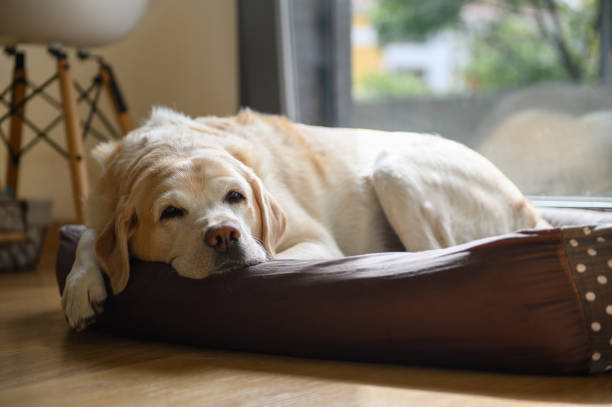
I first realized the importance of support when I saw a friend’s large dog. This older dog, plagued by arthritis, constantly shifted positions during the night, struggling to find a comfortable angle. He struggled to get up from his old fiberfill mattress. Seeing him struggle, I realized we need to treat our dogs’ sleep foundations as seriously as we would our own mattresses.
This article will delve into why dog bed support isn’t just a luxury, but a crucial factor in your dog’s joint, spinal, and emotional health. If you have a large or elderly dog, or a breed prone to spinal problems like a Corgi or Dachshund, this article will completely change the way you choose a dog bed .

1. Support: The invisible guardian of dog’s bone health
Why can’t we let dogs sleep directly on carpet or thin mats? The answer lies in their body weight distribution and bone structure.
Even pressure relief: prevents pressure point injuries
Dogs’ weight is unevenly distributed, with about 70% of it concentrated in their front legs. When they lie on their side or stomach, their weight is concentrated on bony protrusions such as the hips, elbows, shoulders, and spine.
The problem of lack of support: Soft, low-density mattresses will sink quickly, causing these pressure points to press directly against the ground, hindering blood circulation. In the long run, this may cause pain, joint inflammation, and even bedsores in older dogs.
The role of high support: High-quality orthopedic foam or high-density memory foam can evenly distribute the dog’s weight according to its body shape and sleeping position, provide sufficient resilience, prevent the body from sinking, and thus reduce the burden on joints and muscles.
Spine alignment:
Be wary of body type exceptions: For short-legged, long-bodied breeds like Dachshunds or Corgis (who naturally place a heavy load on their lumbar spine), maintaining the spine’s natural alignment during sleep is crucial. A concave mattress forces their spine to twist or sag for extended periods, greatly increasing the risk of conditions like herniated discs.
2. Who needs a strong dog bed the most ? Specific groups have urgent needs
While all dogs can benefit from support, for certain groups it’s no longer an option, but a necessity.
Caring for Chronic Pain in Senior and Large Dogs
As dogs age, arthritis and reduced mobility become common.
Pain Relief: Senior dogs often have difficulty waking up and standing. A high-support mattress can provide stable support, reducing joint shock and pain when they stand up.
Preventing bedsores: For elderly dogs who are bedridden or have limited mobility, a pressure relief mattress is the last line of defense against bedsores. It promotes blood circulation and accelerates cell repair.
Heavyweight Challenge for Large Dogs: The huge weight of large dogs (such as Golden Retrievers and German Shepherds) requires ultra-high-density support materials to prevent them from collapsing. A bed designed for small dogs is useless for them.
Rehabilitation dogs and anxiety dogs: Improving healing efficiency
Post-operative and Orthopedic Recovery: For dogs who need extended rest to repair injuries, the pressure-relieving effect of an orthopedic mattress can speed healing and improve comfort.
Mood Stability: Pain and discomfort can make dogs irritable and even restless at night. A stable mattress that provides deep relaxation and a sense of security can significantly improve sleep quality, indirectly improving their behavior and mood.
My own dog once injured her leg in an accident and needed to rest for several weeks. I switched her to a more supportive dog bed . Not only did she stop licking the affected area as frequently during the night, but she also felt significantly more stable. The vet told me that the pressure-free support provided by the mattress allowed her body to focus on healing, not pain.
3. Not just health, but also long-term economic benefits
Investing in a high-support dog bed is actually a smart investment with high returns.
Say goodbye to the cycle of rapid sinking
Many cheap dog beds use low-density cotton or cheap foam filling. These will permanently collapse within a few months, losing all support and becoming a useless flat pancake.
Dog beds with good support usually use high-rebound, high-density materials such as memory foam or latex. These materials have excellent durability and can withstand tens of thousands of push-downs while still maintaining a height recovery rate of over 95%.
Cost considerations for prevention being better than cure
A high-quality dog bed , while more expensive upfront, will help in the long run:
Reduced Medical Expenses: Reducing the strain on the joints and spine may delay the onset and progression of arthritis or disc disease, saving on expensive veterinary treatments.
Improve the quality of life: Let dogs enjoy high-quality deep sleep and stay energetic even in old age.
Conclusion: Upgrade your dog bed , upgrade your companionship
Next time you’re shopping, think of a dog bed as a health product for your dog, not a piece of furniture or a toy. Support is the promise of health that this bed can hold.
For your beloved dog, especially those who are heavier or older, a high-support, non-slumping orthopedic mattress is the most gentle and practical care the owner can give them.
When was the last time you checked your dog’s mattress? Has it started to show any signs of sinking? Share your experience in the comments section and how your dog’s sleep improved after choosing a high-support mattress!