
For many dog-owning families, a dog bed is not only a place for their pets to rest but also a space that reflects love and a personalized lifestyle. In recent years, DIY personalized dog beds have become increasingly popular, as they can be customized to suit the space and style of the home, allowing dogs to experience unique warmth.
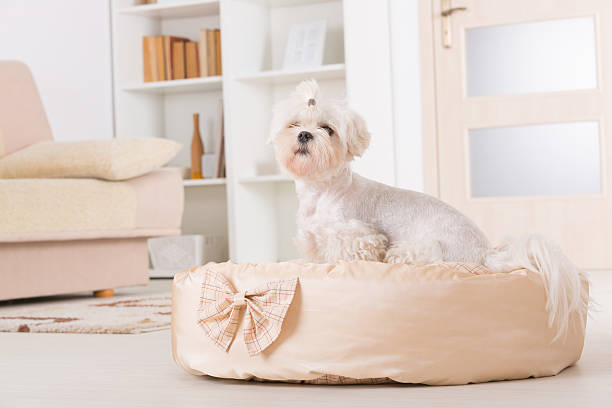
Why choose a DIY dog bed?
There are various beautifully designed and fully functional dog beds on the market to meet the daily needs of different dogs. The advantages of DIY personalized dog beds are:
Size and comfort can be freely controlled: you can design the size according to your dog’s body size to make it more comfortable to lie down.
Safe and environmentally friendly materials: Choose your own wood, fabric, and stuffing to ensure your dog’s health.
Personalized design: You can add your dog’s name, favorite colors, or patterns to make the bed a truly exclusive little world for it.
making a little cabin-style dog bed for my dog. I chose a soft cotton pad and breathable fabric and decorated it with linen rope. The first time I put the bed in the corner of the living room, my Corgi immediately jumped in and rolled around. Seeing its satisfied expression made me very happy.
Material selection for DIY dog bed
when making a comfortable dog bed. Here are some commonly used and safe materials:
Wood planks or eco-friendly plywood: used to make bed frames or bases, sturdy and durable.
Soft padding and stuffing: Choose hypoallergenic cotton or sponge to make your dog comfortable.
Fabric: Cotton and linen material is breathable, easy to clean, and suitable for long-term use.
Paint and decorative materials: Choose non-toxic and environmentally friendly paints to ensure safety.
When I made the dog bed , I specifically chose a removable and washable fabric cover, which makes cleaning very convenient each time and reduces discomfort caused by dirt to the dog.
Detailed production steps
Measure your dog’s size: make sure to measure the length, width, and height clearly to ensure that your dog can turn around and stretch comfortably.
Design drawings: Draw a rough plan on paper and mark the various dimensions.
Cutting and assembling the bed frame: Build the basic structure with wooden boards to ensure stability.
Filling and covering: Place soft padding inside the bed and cover it with fabric. You can choose the pattern or color according to the style.
Decoration and personalization: Make your bed more fun by attaching name tags, drawing patterns, or adding small toys.
My first DIY attempt took me an entire afternoon to fill in the interior decorations. Although the handmade marks were obvious, seeing my dog willingly lie inside and take a nap made all the effort worthwhile.
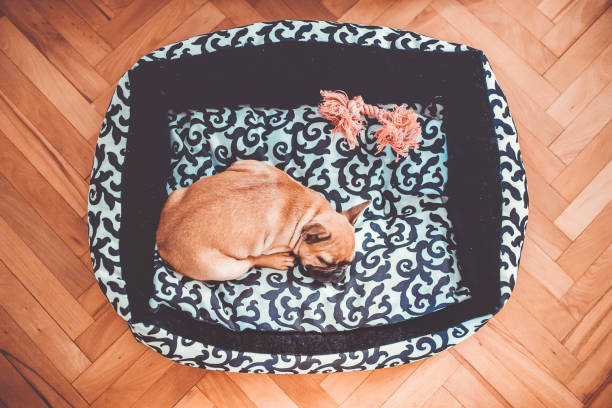
Placement location selection
Even the most comfortable dog bed can affect a dog’s willingness to use it if the location is unsuitable. Consider the following points:
Quiet corner: Avoid noise from the TV or people coming and going.
Moderate lighting: moderate sunlight during the day and quiet, warm nights.
Convenient for the owner to keep an eye on: It can be placed in a corner of the living room or bedroom, making it easy to observe and clean.
My dog bed is placed near the window in the living room, so it gets sunlight but doesn’t block the way. Seeing it dozing off in its bed every day fills me with happiness.
Maintenance and cleaning tips
DIY dog beds are unique; they still require regular cleaning.
The cloth cover should be removed and washed regularly: once a week or as needed.
Wiping the bed frame: Simply wipe with a damp cloth; avoid using chemical cleaners.
Keep dry: Prevent moisture from causing mold or odor.
I’ve found that the easiest way to clean a dog bed is to use a removable and washable mat and cover, and my dog still loves to climb in after each wash.
Creative extensions of DIY dog bed
If you want to make your dog bed more creative, you can try the following:
Theme styles: such as log cabin, castle, car, or space style.
Multifunctional design: The bed features storage drawers at the bottom for storing toys or snacks.
Seasonal changes: Use breathable fabric in summer and add plush padding in winter.
I once added a small skylight to the dog bed so that the dog could look outside through the window. As a result, it would lie in the bed every day and stare at the birds in the yard, which was very amusing.
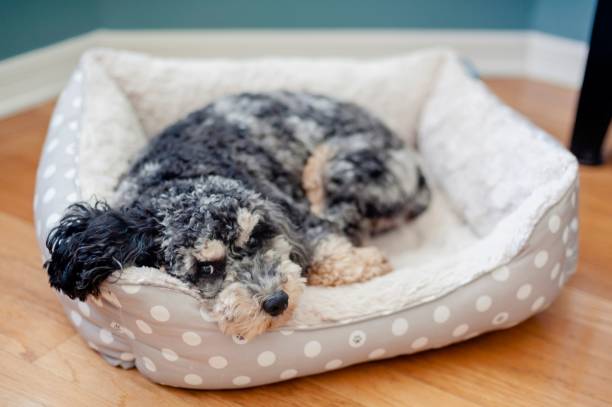
Summarize
DIY personalized dog beds not only meet a dog’s comfort needs but also reflect the owner’s creativity and love. Through careful material selection, size design, and creative decoration, each dog bed can become a unique corner of your home. Making a bed for your dog by hand not only gives it its own space but also strengthens the bond between you.
Whether you’re a beginner or have some crafting experience, DIYing a personalized dog bed is a fun project. From measuring to making it, you’ll feel a sense of accomplishment at every step, and your dog’s love for it is the best reward.
If you’d like to give your dog its own cozy little haven, why not try making your own personalized dog bed? Visit our website for more DIY dog bed ideas and inspiration, and turn your creativity into reality!