Dog bed vs. dog crate: Which is more suitable for your dog? In-depth analysis of the advantages of dog beds.

For many first-time dog owners, choosing between a dog bed and a dog crate can be a difficult decision. On the surface, both are tools for pets to rest and stay safe, but in reality, their functions, comfort levels, and suitable scenarios differ significantly. This article will analyze in depth why
A dog bed is the preferred choice for family dog owners, considering factors such as comfort, ease of cleaning, training assistance, and compatibility with the living environment.
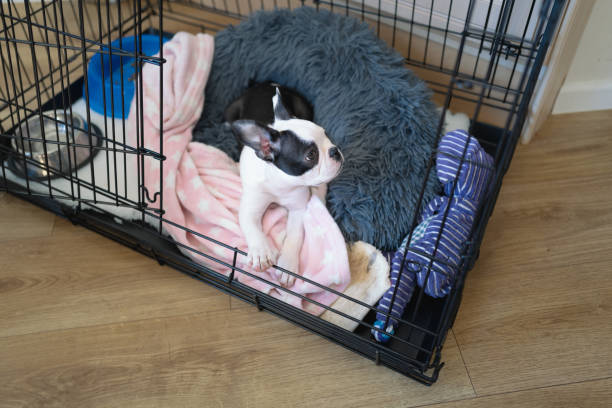
A dog bed and a dog crate
1. Characteristics of a dog bed
With comfortable rest as the core
The soft material provides a “nest-like” experience for dogs.
Suitable for long-term home placement
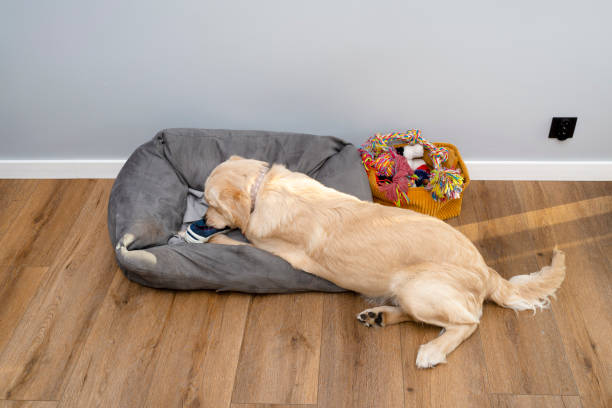
My dog used to sleep on the sofa, which caused a lot of shedding and left marks all over the sofa, making daily cleaning a real hassle. Later, we switched to a dog bed, and it quickly adopted it as its own little nest. The shedding was concentrated in one area, making cleaning much easier.
2. Characteristics of dog crates
Emphasis on safety and constraints
For short-term training or temporary isolation
The materials are mostly iron wire or plastic, which are sturdy but lack comfort.
I once took my small poodle to a relative’s house and used a dog crate to keep it isolated and prevent it from running around. It adapted quickly, but if used for a long time, it would clearly feel depressed.
Comfort: The core advantage of a dog bed
A dog bed’s comfort and freedom of movement:
Soft material: The mattress can protect joints, which is especially important for senior dogs or puppies.
Freedom of space: Dogs can freely roll over and stretch.
dog bed area in your home to give your dog a sense of belonging.
Switching to a dog bed, my dog sleeps better at night and is more willing to rest on the bed during the day instead of running around or climbing on the sofa. This not only reduces shedding but also improves the tidiness of the house.
In contrast, dog cages have limited space, and if dogs are kept inside for a long time, they are prone to anxiety and may chew on the cage or bark.
Ease of cleaning: The dog bed design is more user-friendly.
Choosing a dog bed, ease of cleaning is very important:
The outer cover is removable and washable: easy to machine wash and keep clean.
Waterproof or plain weave material: easy to clean even if accidentally soiled.
The pad can be cleaned separately, extending its service life.
In contrast, while dog crates are durable, the hair and odor in the corners are difficult to clean, requiring disinfectant spraying or wiping with a damp cloth.
In my experience, using a dog bed during shedding season, patting it weekly, and machine washing the outer cover once a week can keep the room clean, saving time and effort.
Training and Behavior Management: The Supporting Role of Dog Beds
While dog crates are better suited for behavioral control, dog beds can also be useful in training:
Fixed rest area training: Helping your dog develop a regular sleeping routine
Reward training: Training your dog to rest on the bed instead of running around.
Providing a sense of security: A comfortable dog bed can make your dog feel stable and secure at home.
Through reward training, my dog quickly learned to “go to bed during rest time.” Even when playing during the day, he would voluntarily return to his dog bed to rest, and his behavior became much more well-behaved.

Key factors in choosing a dog bed
Material selection
Short-pile or plain-woven fabric: Does not easily absorb lint, easy to pat.
Waterproof Oxford cloth: Prevents accidental stains
Moderate softness: both comfortable and durable
Size selection
The dog bed should be large enough for the dog to stretch out.
It shouldn’t be too big; otherwise, it will reduce the feeling of being enveloped, and the dog might not like it.
Structural design
The outer cover is removable and washable.
Anti-slip bottom
The edges are slightly higher to prevent shedding when rolled around.
Placement
Keep it in a fixed location at home, avoiding dampness or direct sunlight.
Keep your dog away from heat sources or noisy areas to make it feel safe.
dog bed vs. dog crate usage scenarios
| aspect | dog bed | dog cage |
| Comfort | high | medium |
| Security Control | Low, but can be used in conjunction with training. | high |
| Cleaning convenience | High (removable and washable) | Medium (needs wiping/disinfection) |
| Training purposes | (Medium-term rest training) | High (behavioral constraints) |
| Use cases | Family daily rest | Temporary isolation, going out |
A dog bed is the best choice for daily rest—it’s comfortable, safe, and easy to clean.
Dog crates are only suitable for short-term training or outdoor use.
Useful tips: Maximize the value of your dog bed
During molting season, pat the fur frequently: use a brush or roller to reduce the spread of fur.
Pair with a cushion or blanket: removable and washable, increasing comfort.
Designated resting area: Train your dog to get used to the bed as a “safe zone.”
Appropriate rewards: Encourage your dog to rest on the bed instead of climbing on the sofa.
Regular cleaning: Machine wash the outer cover every 1–2 weeks, and increase the frequency during molting season.
I’ve tried different combinations myself. I put the dog bed in a quiet corner and covered the mattress with a removable and washable blanket. The dog adapted quickly and stopped running around. At the same time, the shed fur was concentrated on the bed, making cleaning more efficient.
Frequently Asked Questions
Q1: Is a dog bed really more suitable for daily family use than a dog crate?
Yes. Dog beds provide a comfortable, fixed resting area, making it more suitable for dogs to rest freely, while also making it easy for families to clean.
Q2: Is it suitable for all dog breeds?
Most dog breeds are suitable for this bed. Large dogs need a large-size bed, while small dogs should prioritize softness and comfort. The choice of material is also crucial; hair-resistant and waterproof fabrics are the most practical.
Q3: How often should it be cleaned?
Hair can be removed by patting daily. The outer cover should be machine washed every 1–2 weeks, and the frequency can be increased during shedding season.
Conclusion
Choosing a suitable dog bed is not only about cleanliness but also about improving your dog’s quality of life.
Compared to crates, dog beds provide a comfortable, easy-to-clean, and long-lasting resting space, while reducing shedding and making dog ownership easier for families.
If you wish:
There is a designated and comfortable rest area at home.
Dogs can rest regularly, which also reduces shedding.
Browse our curated selection of dog beds and let your beloved dog enjoy a comfortable rest while making home cleaning a breeze!