
Preparing a comfortable and cozy dog bed for your dog is more than just providing a place to sleep; it’s about making them feel like they’re part of “home.” Many owners buy expensive dog beds only to find their dogs preferring to lie on the floor or sofa rather than go into their beds. The problem often lies not in the dog bed itself, but in how it’s arranged. This article will guide you through the process of arranging your dog bed scientifically and aesthetically, focusing on color coordination, layout design, and location selection, so your dog truly loves their “private space.”
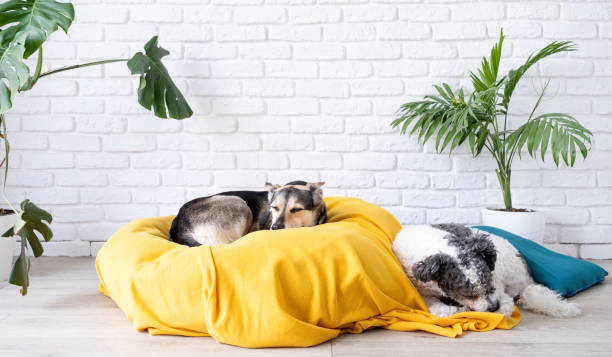
Core Principles of Dog Bed Setup
A dog bed isn’t as simple as just placing it anywhere; it affects a dog’s sense of security, comfort, and lifestyle. Here are three core principles to keep in mind when setting it up:
Comfort is paramount.
A dog bed must be soft, supportive, and breathable. Whether it’s a cotton pad, a blanket, or a cashmere-like material, it must ensure that the dog can comfortably curl up or stretch out.
A sense of security is fundamental
Dogs naturally prefer semi-enclosed spaces. A dog bed should be placed against a wall or in a corner to reduce external stimuli and provide the dog with a sense of security and attachment.
Cleanliness and convenience are equally important; the mats should be easy to wash and move. Choosing washable materials and a replaceable mat design makes daily maintenance simpler.
Color Scheme for the Dog Bed: Creating Warmth and a Sense of Belonging
Don’t underestimate the importance of a dog bed’s color! Color not only affects aesthetics but can also directly influence a dog’s mood and willingness to use it.
Choose a color based on the dog’s personality.
For active dog breeds (such as Corgis and Huskies), choose bright, highly saturated colors, such as light blue, grass green, and orange.
For quiet dog breeds (such as Poodles and Shiba Inus), choose gentle colors such as beige, light gray, and light pink.
For stressed and sensitive dogs (such as Pomeranians and Maltese): Low-contrast colors are recommended, such as cream, tan, and ivory.
These colors can help dogs relax and adapt to new environments more quickly.
Make the dog bed match your home decor.
A dog bed isn’t just a space for your dog; it’s also part of the family. If your home has a Scandinavian style, choose a combination of natural wood tones and off-white; if it’s modern and minimalist, opt for gray, black, and cotton-linen textures. This not only enhances the overall aesthetic but also allows your dog to feel the harmony of home.
Use natural and neutral tones
Brightly colored materials (such as red, purple, and fluorescent green) can make dogs feel uneasy. Natural material colors (such as brown, wood color, and ivory white) are closer to nature and make dogs feel more relaxed and safer.
Add a familiar flavor
When setting up a dog bed, you can place a small blanket your dog usually uses or an old toy on it. Familiar scents help dogs quickly identify “this is my bed,” which is more effective than any color.
Scientific Design of Dog Bed Layout: Location Determines Usage Rate
Many dogs don’t like going into their beds, not because the dog bed is bad, but because the location is wrong. Choose the right spot, and your dog will be more willing to approach and rest there.
Optimal placement
Corner against a wall:
Dogs naturally prefer environments with support, and a corner provides stability and a sense of security.
Away from drafts and direct sunlight:
Temperatures that are too cold or too hot will deter dogs from using the dog bed. A quiet, temperature-controlled space is ideal.
Close to the owner’s living area:
Dogs like being on the “edge of the pack,” where they can see you but still have their own space. A corner of the living room or the edge of the bedroom is a good choice.
Avoid noise sources: Loud
Noise from televisions, washing machines, air conditioner vents, etc., can cause anxiety in dogs and reduce the dog bed’s appeal.
Arrangements were fine-tuned according to the environment.
Indoor dog bed:
You can add a soft pad, blanket, or small pillow and add a heat pad in winter.
Outdoor dog bed:
The bottom should be raised to prevent moisture; the entrance should face south or southeast to avoid cold drafts.
For multi-dog households:
Each dog should have its own dog bed to avoid fighting or friction.
Comfortable touches in the arrangement
To make your dog bed more than just a bed but your dog’s favorite place, you can focus on the details:
Adding a soft padding layer, such as a thick memory foam pad or a comfortable blanket, can greatly improve the softness and warmth of a dog bed.
Placing a few of your dog’s favorite toys, chew bones, and small pillows in the room can enhance their sense of belonging.
To create a semi-enclosed space, you can choose a canopy-style dog bed or a tent-style design, giving your dog a sense of security.
Some dog beds can be fitted with curtains or barriers to better suit a dog’s instinct for a “safe burrow.”
Lighting and Temperature Adjustment: If the dog bed is placed in a darker area, add a small nightlight nearby to create a softer environment. In winter, you can add a heat pad or electric heating pad (make sure it is designed for safe low temperatures).
Regular adjustments and seasonal updates
A dog bed isn’t a one-time fix. As the seasons change and the dog grows, the dog bed setup needs to be adjusted accordingly.
Spring and summer: Use breathable fabrics (such as linen and cotton) and remove thick padding.
Autumn and winter: Add warm pads and blankets, and if necessary, add a semi-enclosed cover.
As the dog grows, if it becomes larger or its bed becomes crowded, it should be replaced with a larger size.
Senior dogs: Orthopedic pads or non-slip mats can be added to reduce joint pressure.
By seasonally updating the furnishings, dog beds can not only become more comfortable but also have a longer lifespan.
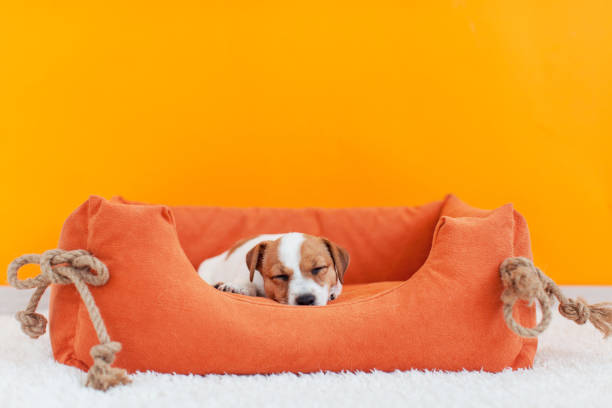
Common Layout Mistakes and Solutions
Mistake 1: Placing the dog in a too-secluded spot
will make it feel lonely. It should be placed in a quiet location where it can still see its owner.
Mistake 2: Too hard or too soft. A hard mattress will make your dog restless, while a soft mattress will easily deform. It is recommended to use a medium-firm support mattress.
Mistake 3: Bright colors or
Strong smells will cause dogs to resist. Choose natural, odorless materials.
Mistake 4: Too big
A size can make a dog feel insecure. The size should allow the dog to curl up comfortably and fit snugly against its body.
Conclusion:
A good dog bed is more than just a place to sleep; it’s a feeling of home.
From the colors and layout to the details, every element can make your dog feel more secure and dependent on you.
When your dog willingly walks into its bed and curls up comfortably, you’ll find that it’s not just a victory of decorating but also a warm connection between you and your pet.
Looking for a more suitable home for your dog? Check out our curated selection of dog bed to provide your furry friend with a more comfortable living space