Dog Bed for Child Interaction: Helping Children and Pets Get Along Harmoniously

In many families, dogs are important companions to children as they grow up. A comfortable dog bed not only provides a safe space for pets but also helps children understand their pets’ habits and improves the quality of family interaction. However, without safety awareness, interactions between children and dogs can pose risks. This article provides safety guidelines for interacting with children using dog beds to help parents create a safe and loving home environment.
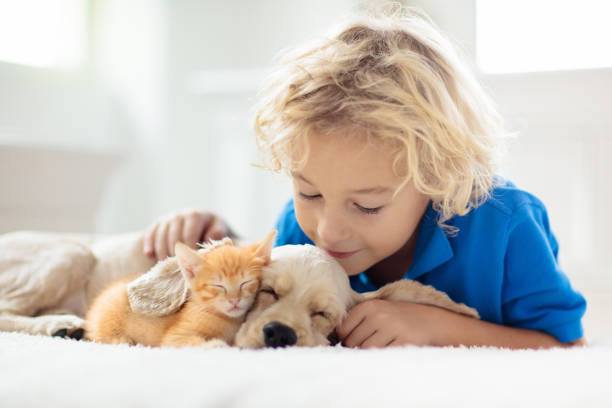
The Importance of a Dog Bed
A dog bed is not only a resting place for dogs but also plays a key role in children’s interaction:
Private space: A dog bed gives dogs their own space, and children should learn to respect that when they need to rest or self-regulate.
Psychological safety: A fixed kennel provides a sense of security and reduces stress or anxiety for dogs when they are around children.
Behavioral guidance: A dog bed can be used as a training aid to help children learn how to interact with dogs correctly.
a dog bed correctly, children can better understand the psychological needs of dogs and develop safe and harmonious interaction habits.
children interacting with a dog bed
1. Respect your dog’s personal space.
Teach your children not to disturb the dog in its kennel while it is resting.
Make it clear to children that the dog bed is a “safe haven” for dogs, and they can choose to enter it at any time.
Avoid making loud noises near the dog bed, grabbing toys, or forcibly picking up the dog.
My sister taught her child to whisper “Quiet” when the dog goes into its kennel to rest. The child gradually learned to wait and observe, and the dog became more at ease.
2. Safe Access Guidelines
When children interact with dogs, they should first observe the dog’s mood and avoid provoking a pet that is resting or stressed.
It is recommended to start interacting with the area around the nest, such as gently stroking the back or head, rather than directly touching the face or limbs.
Teach children to communicate with dogs using gentle actions and language, and avoid suddenly grabbing or frightening the dog.
3. Teach children to understand dog signals
A dog bed can serve as an observation window, allowing children to learn about pets’ body language.
A low bark or slight growl may indicate that the dog needs space.
Wagging its tail isn’t always a sign of happiness; it can also be a signal of alertness or anxiety.
When a dog rolls over in its bed, stretches, or closes its eyes, it means it is relaxing, and children should remain quiet at this time.
Through observation and guidance, children can understand the psychological needs of pets and develop safe interaction habits.
Dog bed selection and child safety
Choosing the right dog bed is crucial to ensuring safe interaction between children and dogs:
Sturdy structure: Avoid thin or easily collapsing dog beds to prevent accidents when children are near them.
Suitable height: A low or semi-enclosed nest makes it easy for children to observe while reducing the risk of accidental falls.
Bite-resistant material: to prevent children from accidentally swallowing or getting injured while playing.
Easy to clean: Maintains hygiene, reduces the spread of bacteria, and protects children’s health.
A suitable dog bed not only protects the dog’s psychological safety but also provides a safe space for children to observe and interact.

Daily life safety practices
1. Establish interaction rules
Family members work together to establish basic interaction rules, such as not disturbing the dog in its kennel and keeping quiet while playing.
Use reward mechanisms to reinforce children’s adherence to rules, such as giving stickers or praise after correct interactions.
2. Regular rest and observation
Schedule regular rest times for your dog to teach your child to wait and respect.
By observing a dog’s behavior in its kennel, children can learn to judge when it’s okay to interact and when it’s necessary to keep their distance.
3. Combining family activities
the dog bed in the central area when children are participating in family activities so that the dog can safely observe and participate.
Use the dog’s kennel as a safe zone during pet social events or gatherings to teach children how to guide and protect the dog.
Long-term mental health and interaction habits
By using a dog bed correctly and guiding children to interact safely, long-term mental health and good habits can be fostered.
Enhance your dog’s self-regulation ability: teach your dog to rest independently and reduce anxiety.
Cultivating a sense of responsibility in children: teaching children to respect pets’ space and psychological needs.
Enhance family harmony: Safe and enjoyable interactions between dogs and children lead to a smoother family rhythm.
In the long run, this not only protects the mental health of pets but also helps children develop respect, observation, and self-regulation skills.
Summarize:
A dog bed is not only a resting place for pets but also an important tool for children to learn safe interaction techniques. By scientifically arranging the dog bed’s location, choosing suitable materials, and educating children on safe interaction methods, owners can:
Ensure children and pets get along harmoniously
Protecting a dog’s mental health and behavioral stability
Improve the overall pace of family life and happiness
Choose a comfortable and safe dog bed for your child and dog so that every interaction is filled with safety and joy.