
Choosing the right dog bed is not only about your pet’s comfort but also directly impacts their health. Different dog bed materials have different characteristics and suitability, affecting a dog’s joints, skin, and even overall health to varying degrees. This article will analyze in depth the impact of common dog bed materials on pet health, helping you choose the best resting space for your pet and ensuring their sleep quality and physical well-being.

Memory Foam Dog Bed: Joint Protection and Comfort Support
Advantages of memory foam:
Pressure relief function: Memory foam can form personalized support according to the dog’s weight and body temperature, relieving joint pressure, and is especially suitable for senior dogs or dogs with joint diseases.
Reduce friction and pressure points: For dogs with arthritis, hip dysplasia, or other problems, memory foam mattresses can effectively reduce the pressure caused by the body contacting hard surfaces and provide soft support.
Health effects:
Joint protection: Memory foam mattresses can relieve joint pain and inflammation and help improve a dog’s mobility and comfort.
Preventing bedsores: Dogs that are bedridden for long periods may suffer skin damage due to localized pressure. Memory foam can evenly distribute pressure and reduce the risk of bedsores.
Precautions:
For some dogs that are very fond of chewing on the bed, memory foam may not be as durable as other materials because it is soft and easily torn.
Wool dog bed: Natural temperature control and comfort
Advantages of wool:
Temperature regulation: Wool has natural temperature-regulating properties, which can effectively regulate temperature and keep it warm or cool, making it suitable for areas with large seasonal changes.
Antibacterial and deodorizing: The natural antibacterial properties of wool help reduce bacterial growth and keep the dog bed fresh, especially suitable for dogs prone to allergies or sensitive skin.
Health effects:
Promotes skin health: Wool can regulate moisture, preventing dogs from developing skin infections or allergies due to excessive moisture.
Anti-allergy effect: Wool mattresses can help some sensitive dogs by preventing the accumulation of allergens.
Precautions:
Wool dog beds need to be cleaned regularly to prevent stains from accumulating or excessive moisture absorption, especially in humid environments.
Polyester and Nylon Dog Bed: Durability and Water Resistance
Advantages of polyester and nylon:
Highly durable: Polyester and nylon materials are very durable, suitable for active dogs, and can resist scratching and biting.
Good water resistance: These materials are often waterproof, making them suitable for dogs that go outdoors frequently or get wet easily.
Health effects:
Suitable for outdoor use: The waterproof feature means that even if your dog gets dirty while playing outside, the mattress can remain clean, reducing the impact of a damp environment on their skin.
Prevent moisture buildup: Moisture buildup can lead to skin problems, especially for long-haired dogs or dogs with sensitive skin. The water-repellent properties of polyester and nylon help keep the mattress dry.
Precautions:
These materials have poor breathability, and prolonged contact may cause overheating or inflammation of the dog’s skin, so they are not suitable for all dogs, especially dogs that are bedridden for long periods of time.
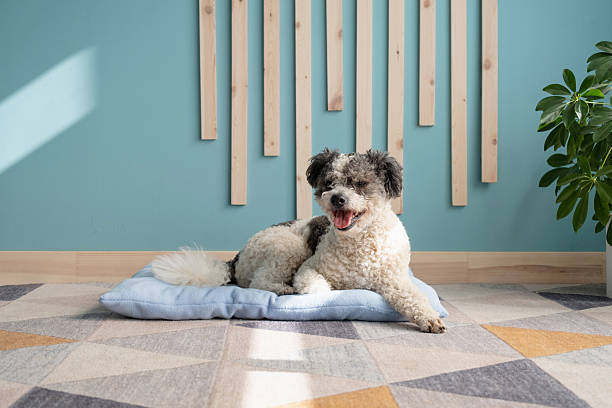
Cotton dog bed: Comfort and breathability
Advantages of cotton:
Good breathability: Cotton material has good breathability, which can help dogs stay cool in hot weather and reduce the risk of overheating.
Gentle and comfortable: The cotton mattress is soft and comfortable, suitable for most dogs, especially pets who like to curl up in bed while sleeping.
Health effects:
Skin-friendly: For dogs with sensitive skin, cotton mattresses are a good choice, reducing the likelihood of allergies and irritation.
Keep dry: Cotton materials effectively absorb moisture, keeping your dog’s skin dry and preventing bacterial growth.
Precautions:
Easily gets dirty: Cotton mattresses tend to accumulate hair and dust, requiring regular cleaning.
Poor durability: Compared to other materials, cotton dog beds are less durable and more prone to wear and tear, especially when used by active dogs.
Rubber and latex dog bed: comfort and elasticity
Advantages of rubber and latex:
Elasticity and support: Rubber and latex mattresses offer excellent elasticity and support, effectively supporting the dog’s body, especially for heavier dogs.
Antibacterial properties: Latex materials themselves have natural antibacterial properties, which help reduce the growth of bacteria and fungi and keep the mattress clean.
Health effects:
Joint comfort: Suitable for dogs that need extra support, effectively relieves joint pressure, and helps senior dogs or larger dogs maintain a comfortable sleep.
Keep the mattress clean: The antibacterial properties of latex help reduce the accumulation of bacteria on the mattress, keeping your dog healthy.
Precautions:
Rubber and latex mattresses are quite heavy and not suitable for all types of dogs, especially smaller dogs or dogs that prefer to “curl up” while sleeping.
Conclusion
Choosing the right material for your pet’s dog bed is crucial, as it not only provides a comfortable resting space but also has a positive impact on your dog’s health. Memory foam provides support for dogs with joint problems; wool and cotton are better suited for pets with sensitive skin, while polyester and nylon are suitable for more active dogs or those who need waterproofing. Understanding the characteristics of different materials will help you choose the best mattress for your pet, allowing them to enjoy a healthier and more comfortable life.