How to create a quiet resting area for a dog that is sensitive to noise: A complete guide to dog beds and noise-reducing setup

Dogs are our loyal companions, but not all dogs can adapt to noisy environments. Some dogs, especially sound-sensitive breeds, may become anxious and restless due to external noise, even exhibiting excessive barking, destructive behavior, or hiding. Providing a quiet and comfortable resting area is crucial for these “noise-sensitive” dogs. This article will provide you with a complete solution to help you create a suitable quiet dog bed for your dog.
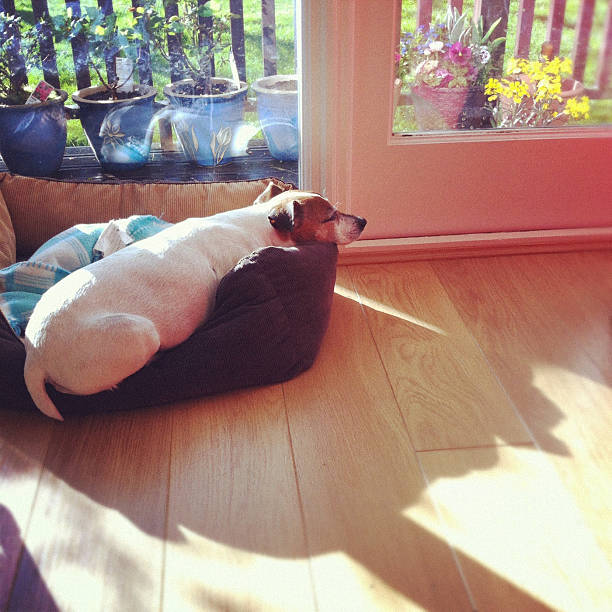
Why are some dogs afraid of loud noises?
Sound-sensitive dogs typically react strongly to various environmental noises, such as thunder, fireworks, traffic sounds, or household noise. These dogs may exhibit anxiety or fear responses to sounds that are too sudden or too harsh. Common symptoms include:
Frequently hiding or seeking concealed places
barking or howling incessantly
Overreacting to external noises (such as reacting strongly to doorbells or car sounds).
Exhibiting anxious or aggressive behavior
These symptoms not only affect a dog’s physical and mental health but can also disrupt daily family life. Therefore, creating a quiet environment to help dogs relieve stress is especially important.
dog bed for a sound-sensitive dog
A dog bed suitable for a sound-sensitive dog is the first step in creating a quiet resting area. The design of a dog bed needs to balance comfort and functionality, especially considering how to minimize noise disturbance. Here are some key points to consider when purchasing:
Dog bed with sound-absorbing material
A dog bed has a significant impact on noise reduction. Memory foam, thick foam padding, and shock-absorbing materials can all effectively absorb sound, reducing the noise your dog makes when moving around on the bed. Memory foam dog beds are especially suitable for dogs that need extra support because they provide customized comfort based on the dog’s body shape and posture, helping them relax.
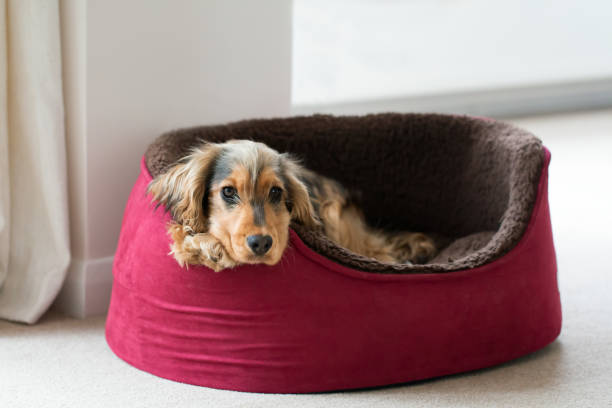
Anti-slip bottom design
A non-slip bottom design is equally important for sound-sensitive dogs. Without a non-slip design, a dog bed may make noise as the dog rubs against the bottom of the mattress while moving around. A non-slip bottom not only ensures the dog bed is firmly fixed to the ground but also reduces squeaking noises when the dog is active.
Thick mattress with soft filling
A thick mattress can provide better sleep support for dogs while effectively absorbing external vibrations and noise. The softness of the filling is also important; a mattress that is too firm may make dogs uncomfortable and affect their sleep quality.
Washable mattress
For many owners, cleaning the mattress is essential. Choosing a removable and washable mattress makes it easier to clean stains and keep the bed clean. This is not only good for your dog’s health but also ensures their resting environment is always clean and tidy.
How to set up a noise reduction environment
Choosing a suitable dog bed is just the beginning. Next, we need to further create a quiet resting place for your dog by arranging the surrounding environment. Here are a few tips for noise reduction:
Choose a quiet location
A dog’s resting area should be away from noisy places. Avoid placing the dog bed near windows, doors, televisions, or appliances. Choose a quiet corner or an area away from people to allow your dog to rest in a relatively quiet environment.
Use heavy carpets and cushions
Carpets and padding can effectively reduce the sound of reflected ground and the impact of footsteps. Laying a thick carpet or padding under the dog bed not only increases comfort but also helps reduce external noise interference.
Add sound insulation materials
If you live in an apartment or have noise sources nearby, consider adding soundproofing materials around your dog’s rest area. For example, install sound-absorbing panels on the walls or use soundproof curtains around the rest area. These measures can effectively reduce noise and help your dog stay calm.
Try to avoid exposure to sudden sounds.
Dogs are often frightened by sudden noises (such as thunder, fireworks, etc.). To prevent your dog from feeling anxious during these times, you can use heavy curtains or screens around your dog’s resting area to block out external sounds. Some soundproof curtains or sound-absorbing fabrics can effectively reduce external noise and provide a relatively quiet environment.
Create a “safe space.”
In addition to physical noise reduction measures, you can also create a psychologically safe space for your dog. This can be done by providing a quiet corner or using a crate. Many dogs like to rest in enclosed spaces, which gives them a sense of protection and reduces anxiety.
White noise or soothing music
Some dogs enjoy falling asleep to background music or white noise. You could consider playing some soft music or white noise in your dog’s resting area. These sounds can help mask sudden noises and help your dog relax.
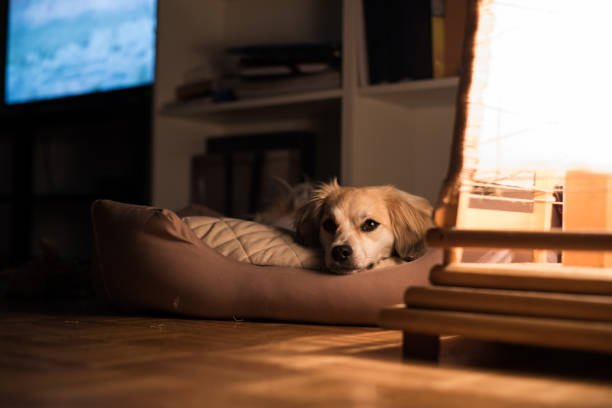
Summarize
Creating a quiet resting area for sound-sensitive dogs not only helps stabilize their emotions but also improves their quality of life. Choosing a suitable dog bed, along with appropriate noise-reducing environmental settings, can help dogs reduce anxiety and enjoy better sleep. Also, remember to regularly check your dog’s resting area to ensure it’s always clean and comfortable.
With these simple yet effective measures, you can help your dog have a quiet and safe living environment, keeping them away from noise pollution and allowing them to live a healthier and happier life.
Want to learn more tips on creating the perfect dog bed? Check out our website now for more inspiration!