
If you’ve ever wondered why your pup circles before settling down or instinctively ducks under the kitchen table during a thunderstorm, the answer lies in an age-old instinct: dog bed mentality.
This safe, dog bed -like environment is crucial to their mental health; it’s their primary stress reliever and a bulwark against anxiety. Simply throwing a flat mat in the middle of the room isn’t enough.
If you want to reduce your dog’s separation anxiety, curb destructive behavior, or just give your dog a truly peaceful place, you need to design a dedicated dog area.
Here are four core steps, based on canine psychology, to help you transform forgotten corners of your home into your dog’s favorite sanctuary.
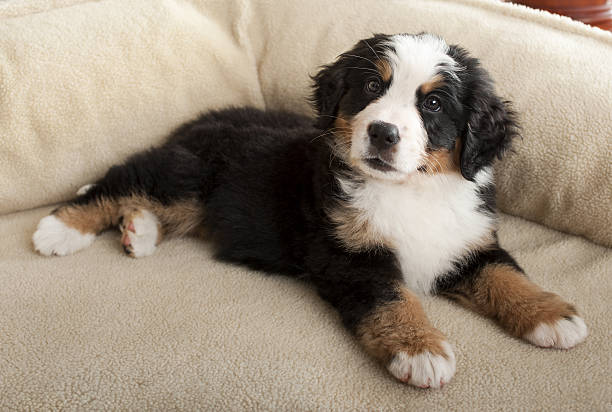
1. Find the sweet spot
the bedroom is crucial. It needs to strike the perfect balance: close enough to the family to feel included, yet private enough to feel safe.
Proximity principle: close, but far away
Get a sense of family: Choose a part of the house where your family hangs out most—a corner of the living room, near your desk at work, or in the bedroom. This way your dog can observe your behavior without being forced to participate.
Avoid commuter lanes: Stay away from high-traffic areas like hallways, entryways, and noisy areas like laundry rooms or kitchens. Constant foot traffic and sudden noises (like the doorbell or washing machine) are major anxiety triggers.
My dog’s bed is in my room, so it’s not only cool in the summer and warm in the winter, but also I don’t have to worry about feeling insecure.
Using built-in
The ultimate secret to creating a dog bed is to utilize an existing building as shelter. This minimizes construction and maximizes the dog bed feel.
Under the Stairs: That awkward and often wasted space under the stairs makes for a perfect, low-traffic sitting area.
Desk Nook: Place a sturdy desk or nightstand directly under the bed to serve as both a ceiling and side wall. Built-in Cabinets: Deep, empty cabinets or shelving units can serve as a custom, integrated study.
2. Structure and comfort:
Once you’ve found the right location, the structure and furnishings of your home become crucial, allowing you to directly appeal to their primal nesting instincts.
Comfort layer: scent and support
The right mattress: Invest in an orthopedic bed that is supportive, easy to clean, and the right size to allow your dog to fully stretch out and turn around.
Nesting urge: Fill your dog’s den with a few soft blankets or a few worn-in T-shirts. Dogs naturally like to arch and dig their space to create the perfect den. Your scent on old clothes can provide crucial comfort and help ease separation anxiety.
Positive association toys: Rotate safe, high-value chew toys throughout the nest. This ensures the nest is filled with rewards and joy, not loneliness.
3. Etiquette:
The most important rule in dog bed construction is psychological: the dog bed must be a reward area, not a punishment area.
High-value area: Provide only your dog’s favorite, high-value treats, chews, or food in the den. Toss treats to encourage him to come in, and praise him immediately once he does.
Shelter rules: These are non-negotiable. Every family member, especially children, must learn that once a dog is in the kennel, they are out of reach. Never disturb, pet, or forcibly remove a dog from their space. Making the kennel a safe haven where the dog can feel in control is key to managing anxiety.
Slowly build up endurance
Start small. Let your dog relax in his crate for a few minutes while you sit next to him. Gradually increase the time. Only close the door (if applicable) when your dog remains calm and relaxed in his crate. This patience can prevent him from developing crate phobia later in life.

4. Functional design: Integrate a study into your home
Your dog’s space doesn’t have to be an eyesore. With just a few design tweaks, it can blend seamlessly into your home.
Dog Command Center: Create a command center for all your dog’s essentials: leashes, treats, waste bags, and grooming tools by placing a decorative basket or utilizing a nearby shelf. This keeps clutter at bay.
Style and Care: Choose fabrics for your dog bed and dog cover that match your home’s color palette. Since your dog easily stains, choose waterproof, durable, machine-washable bedding and place an easy-to-clean rug under the bed.
Personalize the decor: Feel free to decorate this area with dog-themed artwork or framed photos of your dog. This visually reinforces the pet’s den as a beloved and meaningful part of your living space.
in conclusion:
Designing a dedicated den isn’t about controlling your dog, it’s about giving him a sense of security. By meeting his instinctive need for a quiet, enclosed space, you’re equipping him with a vital, lifelong self-soothing tool.
Where is the quietest spot in your home right now? Tell us where you plan to build your new dog shelter!