A dog bed enhances a dog’s sense of security at night: the key to a peaceful night’s sleep.

Nighttime is a crucial time for dogs to rest and recharge. However, many pet owners may overlook a key factor—the positive impact of a dog bed on their nighttime sense of security. A well-designed, comfortable, and thoughtfully chosen dog bed not only provides physical comfort but also significantly enhances a dog’s sense of security, allowing them to sleep soundly throughout the night.
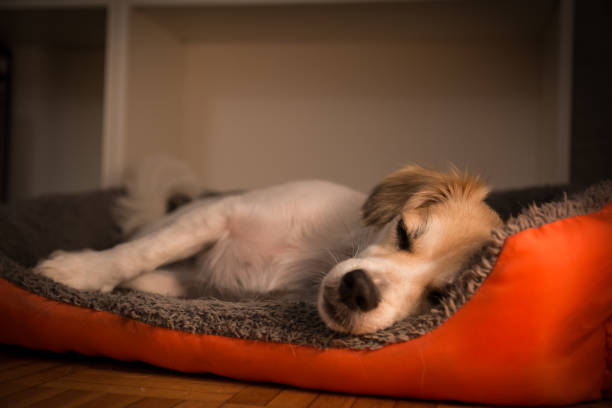
Causes of nighttime anxiety in dogs
Many pet owners find that their dogs are prone to anxiety or restlessness at night, exhibiting behaviors such as frequent pacing, barking, and even chewing on furniture. The main reasons behind this include:
Nature and Alertness: Dogs are pack animals and are naturally sensitive to changes in their environment. They are prone to anxiety at night when there is dim light and faint noise.
Unfamiliar environment or lack of security: Moving, changes in the indoor layout, or being alone at night can all make dogs feel insecure.
Physical discomfort or pain: Neck, joint, or stomach discomfort can also increase nighttime anxiety.
In these situations, a dog bed becomes especially important for enhancing a dog’s sense of security at night. It’s not just a place to sleep but also a psychological “haven” for the dog.
How to provide a sense of security at night
1. Create a sense of psychological envelopment
A dog bed with high edges and soft material can create a sense of envelopment, making the dog feel “protected” inside. Psychological research shows that this envelopment can reduce anxiety and alertness, which is the primary reason why a dog bed enhances a dog’s sense of security at night.
2. Provides comfortable support
The dog bed’s base should be of medium firmness to support the dog’s body curves, especially the spine and joints. Physical comfort directly impacts a dog’s psychological state, reducing nighttime tossing and turning due to discomfort and thus enhancing their sense of security.
3. Create a familiar scent environment
It preserves the dog’s own scent, making them feel familiar and secure. Scent is an important source of information for dogs to determine the safety of their environment. Using the same dog bed for a long time helps establish a sense of security, which is also an important way for a dog bed to enhance nighttime safety.
The impact of different types on the sense of security
1. Closed
The enclosed or semi-enclosed design effectively provides a sense of enclosure and privacy. For dogs that are prone to anxiety or afraid of the dark, this type of dog bed can significantly enhance their sense of security at night.
2. Open-ended
Open-style dog beds offer good ventilation, but they lack the psychological comfort of being surrounded. For dogs that rely on being “surrounded” for security, open-style beds may not provide optimal nighttime comfort.

3. Adjustable edges
Some dog beds feature removable or adjustable edges, providing both a sense of enclosure and easy cleaning. The ability to flexibly adjust the edge height caters to dogs with varying nighttime security needs, demonstrating the practical application of dog beds in enhancing nighttime safety.
How to improve nighttime safety
Choose the right size: A dog bed that is too large can make a dog feel empty and uneasy, while one that is too small will feel cramped and uncomfortable. The ideal size should allow the dog to stretch out its body but also provide a slight sense of enclosure.
Choose the right material: Soft and comfortable materials can increase physical comfort and reduce nighttime anxiety. Machine-washable and hypoallergenic materials are recommended to maintain cleanliness and hygiene.
Pay attention to the height of the neck rim: if the rim is too low, it lacks support; if it’s too high, it may put pressure on the dog. The right height provides both neck support and a sense of security.
Maintain a familiar scent: Avoid frequently changing the mattress or washing methods, and try to retain the dog’s familiar scent to enhance its sense of security at night.
My dog used to be very restless at night, especially after we moved. Then I chose a semi-enclosed dog bed for him, with a soft bottom and moderate edges. The result was amazing—he slept soundly all night and stopped pacing around or barking so much. At that moment, I truly understood that the improvement in nighttime security provided by a dog bed wasn’t just theoretical but a real effect that happened every day.
Additional tips: Further enhance your sense of security at night
Establish a fixed location: Place the dog bed in a fixed location so that the dog develops a mental expectation that “this is a safe place.”
Combine with nighttime lighting or soft sound effects: Moderate lighting or soft music can reduce nighttime anxiety.
Provide adequate companionship or training: Through short periods of companionship or positive guidance, help your dog associate the dog bed with feelings of safety and comfort.
Common Misconceptions
The higher the edge, the safer: An excessively high edge may cause neck compression or mobility issues, reducing feelings of security.
The softer the material, the better: A base that is too soft lacks support and will leave the body feeling unsupported, which can actually increase anxiety.
Changing a dog bed too frequently is not good: Frequently changing the location or style of the dog bed will disrupt the dog’s sense of familiarity and weaken its sense of security.
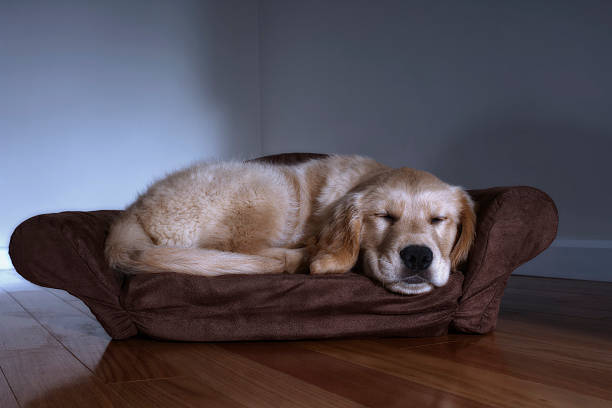
Summarize
A dog bed is more than just a place to sleep; it’s a haven of psychological security. A suitable size, soft and comfortable materials, well-defined edges, and a familiar scent all work together to significantly enhance a dog’s sense of security at night. This increased sense of security allows dogs to sleep soundly, reduces anxiety, and ultimately improves their quality of life.
If you notice your dog is prone to anxiety, pacing, or barking at night, consider improving its nighttime sense of security by choosing a comfortable and enveloping dog bed.